Essential Agile Practices for Complex Software Teams
In the dynamic landscape of modern software development, complexity is the norm, not the exception. This is especially true for projects that combine intricate technical challenges with evolving creative visions, such as those found in the gaming industry. Here, traditional waterfall methods often falter, leading to missed deadlines, bloated budgets, and products that fail to resonate with their intended audience. This is precisely where agile project management for games emerges as a game-changer, offering a flexible, iterative, and collaborative approach tailored to navigate the unique hurdles of developing immersive digital worlds.
Agile methodologies provide a framework for teams to respond quickly to change, embrace continuous feedback, and deliver value incrementally. For complex software teams, particularly those crafting sophisticated games, adopting agile practices isn't just an option—it's a strategic imperative for success.
The Unique Challenges of Game Development Teams
Game development is a multifaceted endeavor, blending art, design, storytelling, and cutting-edge technology. This unique combination presents a distinct set of challenges that agile methods are particularly well-suited to address:
- Evolving Vision & Scope Creep: A game's vision can shift significantly during development as new ideas emerge, playtesting reveals unexpected issues, or market trends dictate changes. Without agile, this often leads to costly rework.
- Unpredictable Technical Hurdles: Innovating new gameplay mechanics or pushing graphical boundaries frequently uncovers unforeseen technical complexities and bugs.
- Artistic Iteration: Characters, environments, and animations often require multiple rounds of refinement based on feedback, which can be difficult to plan for in a rigid schedule.
- Long Development Cycles: Major titles can take years to develop, making long-term, fixed planning impractical and prone to obsolescence.
- Diverse Skill Sets: Teams comprise artists, programmers, designers, sound engineers, and QA specialists, all needing to collaborate seamlessly.
- Critical Player Feedback: Games are highly experiential. Early and continuous playtesting is vital, demanding flexibility to integrate feedback.
Agile principles directly tackle these challenges by promoting adaptability, continuous improvement, and deep collaboration, ensuring that the team remains responsive and focused on delivering a compelling player experience.
Core Agile Practices for Game Production
At the heart of agile project management for games lies a set of fundamental practices that foster efficiency, communication, and adaptability:
Iterative Development and Sprints
Instead of a single, lengthy development cycle, agile breaks down projects into short, focused iterations, often called "sprints" or "gameplay loops," typically lasting 1-4 weeks. Each sprint aims to deliver a potentially shippable increment of the game, no matter how small. For game teams, this means:
- Frequent Playable Builds: Developers can integrate new features, art assets, and bug fixes regularly, creating playable builds for internal testing and review.
- Early Validation: Designers can quickly test gameplay mechanics and user interfaces, gathering feedback much earlier in the cycle.
- Reduced Risk: Problems are identified and addressed incrementally, preventing them from snowballing into catastrophic issues late in development.
Product Backlog Management
The product backlog is the single, prioritized list of all the work to be done on the game, often expressed as "player stories" or "game features." It's dynamic and constantly refined. For game development, this typically includes:
- Player Stories: Features are framed from the player's perspective (e.g., "As a player, I want to be able to jump over obstacles to explore new areas").
- Prioritization: Items are continuously re-prioritized based on player value, technical dependencies, and evolving market needs.
- Detail on Demand: Only the most immediate items are detailed, allowing flexibility for future features to evolve.
Tools that facilitate robust backlog management are invaluable for maintaining visibility and strategic alignment. Such agile tools help teams manage complex backlogs, track progress, and foster collaboration across diverse disciplines. More insights into how these tools can empower dynamic projects can be found in our article on Leveraging Taiga's Agile Tools for Dynamic Projects.
Cross-Functional Teams and Collaboration
Agile thrives on small, self-organizing, cross-functional teams where individuals with different skills (programmers, artists, designers, QA) work together on the same features. This promotes:
- Shared Understanding: Everyone has a clearer picture of the game's vision and how their work contributes.
- Rapid Problem-Solving: Issues can be resolved quickly within the team, reducing communication overhead.
- Daily Stand-ups: Short, daily meetings ensure everyone is aware of progress, impediments, and plans for the day.
Continuous Feedback and Adaptation
Agile emphasizes learning and adapting. For game teams, this means:
- Regular Playtesting: Internal and external playtesting sessions provide crucial feedback on gameplay, balance, and fun factor.
- Sprint Reviews/Demos: At the end of each sprint, the team demonstrates the latest playable increment to stakeholders (and often a wider audience), gathering feedback for the next sprint.
- Retrospectives: Teams regularly reflect on what went well, what could be improved, and how to make the next sprint more effective. This fosters a culture of continuous improvement, vital in an industry with tight deadlines and high creative expectations.
Embracing Specific Agile Frameworks in Gaming
While the core practices are universal, specific agile frameworks offer structured approaches to implementation:
Scrum for Structured Iteration
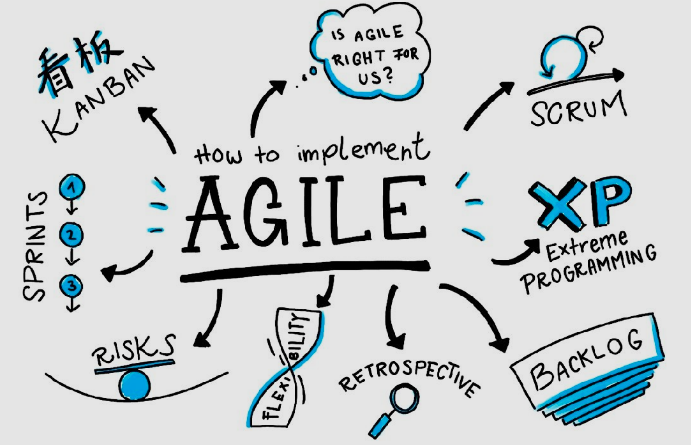
Scrum is arguably the most popular agile framework, highly beneficial for game development due to its structured approach to iterative delivery. It defines roles (Product Owner, Scrum Master, Development Team), events (Sprint Planning, Daily Scrum, Sprint Review, Sprint Retrospective), and artifacts (Product Backlog, Sprint Backlog, Increment). For game teams, Scrum provides:
- Predictable Milestones: Sprints allow teams to reliably hit smaller, incremental goals, leading up to larger release milestones.
- Clear Responsibilities: Roles like the Product Owner ensure a singular vision for the game, while the Scrum Master protects the team and facilitates the process.
- Enhanced Coordination: Daily Scrums keep diverse team members aligned and aware of interdependencies.
Kanban for Flow and Visibility
Kanban, with its emphasis on visualizing workflow and limiting work-in-progress (WIP), is an excellent complement or alternative, particularly for certain aspects of game development. It's often used for:
- Art Pipelines: Visualizing the flow of assets (concept, modeling, texturing, rigging, animation) through the pipeline.
- Bug Tracking and Live Operations: Managing a continuous stream of bug fixes, patches, and content updates for live games.
- Optimizing Throughput: Identifying bottlenecks and improving the efficiency of specific workflows.
Story Mapping for Player-Centric Design
Story Mapping is a powerful technique for visualizing the entire user (player) journey and breaking down a large game concept into manageable, prioritized features. It helps game teams:
- Maintain Holistic View: Understand how individual features contribute to the overall player experience.
- Plan Releases: Define minimum viable products (MVPs) or early access versions by identifying the "walking skeleton" of features.
- Communicate Effectively: Provide a shared visual language for designers, developers, and stakeholders.
For a deeper dive into these powerful frameworks and how they adapt to various project needs, explore our article on Scrum, Kanban, & Story Mapping: Adaptive Frameworks.
Overcoming Common Pitfalls in Agile Game Development
While agile offers immense benefits, its implementation in game development isn't without challenges. Teams must actively manage potential pitfalls:
- Avoiding "Crunch": Agile aims to prevent crunch by promoting sustainable pace and realistic sprint planning. Teams must resist the urge to overcommit and use retrospectives to address workload issues.
- Balancing Art & Iteration: Artistic assets often require longer lead times than code. Agile teams integrate artists early, allow for creative iteration within sprints, and prioritize assets effectively.
- Technical Debt Management: Rapid iteration can sometimes lead to accumulating technical debt. Dedicated "refactoring" tasks should be part of the backlog and sprint planning.
- Managing Scope Creep: While embracing change, a Product Owner must be vigilant against uncontrolled scope creep. Clear sprint goals and backlog prioritization are key.
- Integrating QA Seamlessly: QA should be an integral part of the development team, testing features continuously within the sprint rather than at the end.
Successful agile project management for games requires not just adopting the practices but fostering a culture of trust, transparency, and continuous improvement.
In conclusion, for complex software teams, especially those navigating the intricate and creative demands of game development, agile practices offer a robust and adaptable pathway to success. By embracing iterative development, fostering cross-functional collaboration, managing a dynamic backlog, and continuously learning from feedback, teams can deliver high-quality, engaging games that meet player expectations and thrive in a competitive market. Agile empowers game developers to remain flexible, innovative, and ultimately, to create truly unforgettable experiences.